Quick answer: Choose seamless for a buttery, second-skin feel with minimal chafe (yoga, lounge, everyday). Choose cut-and-sew when you need pockets, panels, zips, contrast piping or strong compression. Most growing brands do a bit of both.
At a glance
| Seamless | Cut-and-sew | |
|---|---|---|
| Construction | Knit as one tube | Panels cut, then sewn |
| Fit feel | Second-skin, zoned | Tailored via seams |
| Seams | Minimal | Flatlock/overlock throughout |
| Best for | Leggings, bras, sets | Pockets, zips, structure |
| Typical MOQ | 50–100 stock / 500 custom | Similar |
What is seamless activewear?
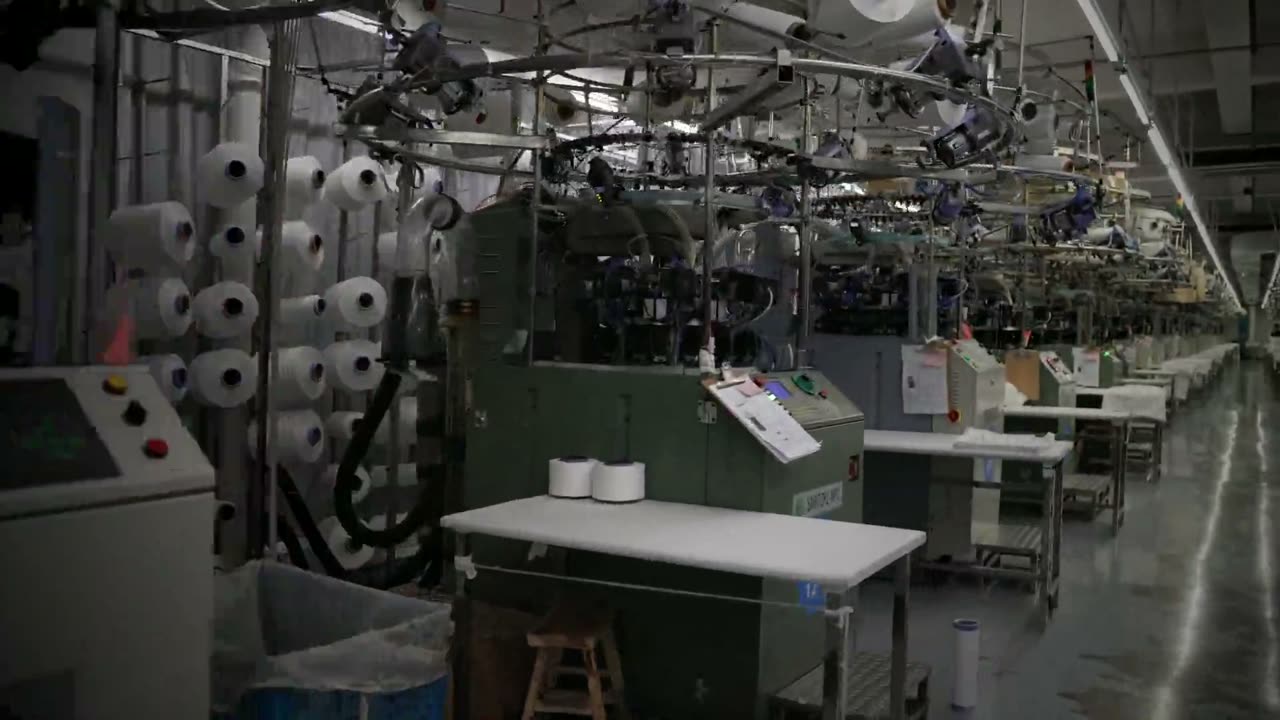
Seamless garments are knitted on circular machines as a single tube, with almost no stitching. The result is a stretchy, second-skin fit, fewer seams to chafe, better recovery and a clean look under clothing. It's the construction behind most premium "buttery-soft" sets. See our seamless capability.
What is cut-and-sew?
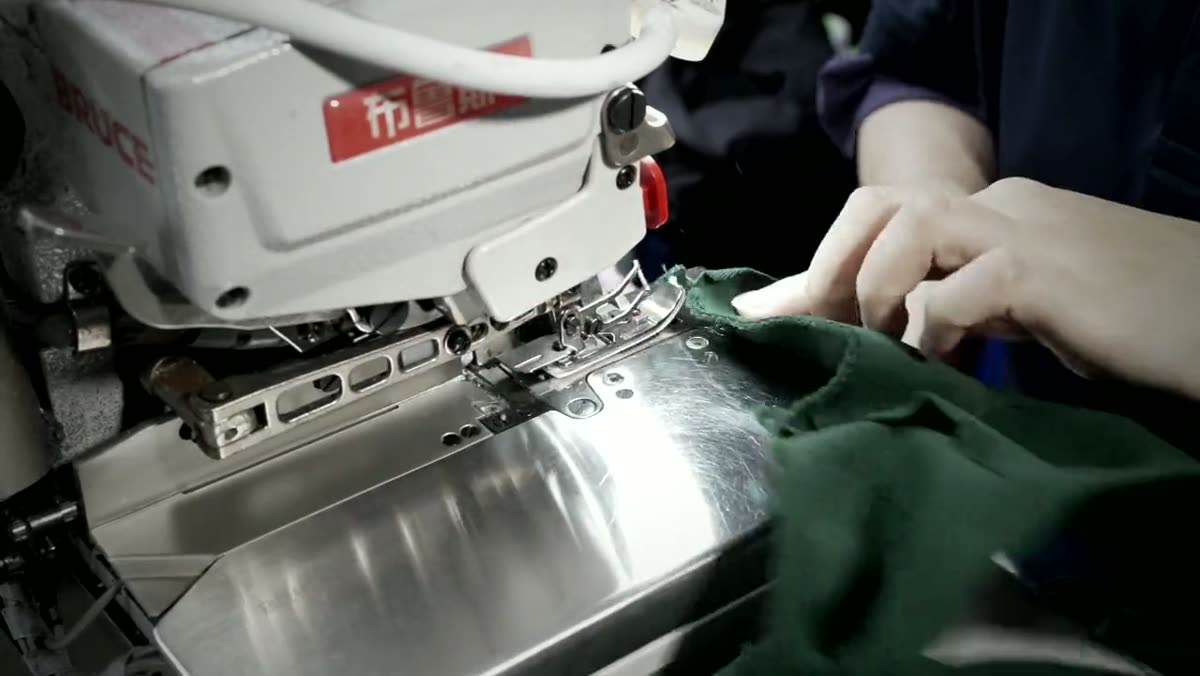
Cut-and-sew means fabric is knitted flat, then cut into pattern pieces and sewn together (usually with flatlock seams). It gives you total design freedom: pockets, mesh panels, zips, V-waists, contrast binding, structured support — anything you can pattern.
Head to head
- Fit & feel: Seamless wins for smoothness and comfort; cut-and-sew wins for sculpting and structured support.
- Design freedom: Cut-and-sew wins — pockets, panels, zips, piping. Seamless is more limited to knit patterns and stripes.
- Durability: Both are durable; seamless has fewer seams to fail, cut-and-sew relies on strong flatlock stitching.
- Cost & MOQ: Comparable per piece. At Yesseam both start at a 50-piece MOQ.
- Best for: Seamless → yoga, pilates, lounge, everyday. Cut-and-sew → training, running, pockets, fashion-forward detail.
So which should your brand pick?
If your brand is about comfort, minimalism and that premium handfeel, lead with seamless. If it's about performance features and bold design, cut-and-sew gives you room to play. The smartest move for many new brands: launch a seamless hero set (fast to love, easy to wear) and add cut-and-sew styles as you grow. We make both in-house, so you don't need two factories.
Cost and MOQ: how the two constructions price
The economics run opposite ways. Cut-and-sew carries low machine barriers but high labor per piece — every panel is cut, aligned and sewn, so cost scales with seam count and skill. Seamless inverts it: expensive specialised knitting machines, minimal sewing labor, so unit cost drops fast once a machine program is running and reorders on an existing knit map are the cheapest garments in activewear. MOQ follows the same logic: cut-and-sew custom typically wants 300–500+ pieces to justify marker-making and line setup, while seamless stock programs can run from 50 pieces because the development cost is already sunk. For a first collection, that difference is often the whole decision.
Design freedom: where each construction wins
Cut-and-sew wins wherever a design needs hard structure or mixed materials: molded-cup bras, woven shell jackets, color-blocked panels with crisp geometric lines, zippers and pockets placed anywhere. Seamless wins on everything worn as a second skin: gradient compression, knitted-in ventilation zones, rib textures, ombré and heather effects that emerge from the yarn itself — and it eliminates the inner-thigh and waist seams that cause chafe complaints. The practical portfolio: seamless for leggings, bras, sets and baselayers; cut-and-sew for outerwear, swim with structure, and anything with an engineered print across seams.
The hybrid answer most premium brands actually use
Walk through a premium activewear line and you'll find both constructions sharing the rack — a seamless ribbed set beside a cut-and-sew jacket, often color-matched from the same dye standards. Hybrids exist within one garment too: a seamless body with sewn-on pockets, or bonded trims on a knitted base. The sourcing implication: a vertically integrated factory that runs both (we knit seamless in-house and operate full cut-and-sew lines) lets you build the whole capsule under one QC standard and one color program, instead of chasing shade matching across two suppliers — the difference is visible the first time your set and jacket appear in the same photo.
FAQ
Is seamless or cut-and-sew better for leggings?
Seamless for a smooth second-skin fit and minimal chafe; cut-and-sew for pockets, V-waists, contrast panels and stronger compression.
Is seamless more expensive?
Usually comparable per piece. Both can be produced from a 50-piece MOQ at Yesseam.
Is "seamless" the same as "no front seam"?
No. "Seamless" describes how the whole garment is made — knitted as a tube with almost no stitching. "No front seam" describes one detail: there is no seam down the centre front. A cut-and-sew legging can have no front seam if its front is cut as one shaped panel, and a seamless legging is no-front-seam by construction.
What is the difference between seamless and woven activewear?
Seamless activewear is knitted — interlocking loops that stretch and recover, knitted to shape on a circular machine. Woven fabric interlaces straight threads at right angles, so it barely stretches unless elastane is added. Woven fabrics suit structured pieces such as jackets, shorts shells and windbreakers; knitted seamless suits anything worn close to the body.
Why does seam-free design matter for all-day wear?
Because most discomfort over a long day comes from seams: ridges that press when you sit, edges that rub when you move and elastic bands that dig in. Knitting the garment in the round, with its waistband and edges formed in the same pass, leaves far fewer lines to press or chafe; the piece also stretches evenly around the body and shows no seam lines under clothing. The trade-offs are fewer design options — pockets and sharp panelling are easier in cut-and-sew — and a size range that depends on the knitting cylinder.
How is seamless construction used in modern performance activewear?
Circular seamless machines knit leggings, sports bras, tops, base layers and underwear as tubes, with the waistband, compression zones, ventilation mesh and rib textures built into the knitting programme instead of being stitched on. Brands use it wherever a garment has to move with the body and stay comfortable against the skin; cut-and-sew remains the better route for pockets, V-waists and structured pieces. At Yesseam we knit on 50 Santoni seamless machines, mainly the SM8-TOP2V, in 28G and 32G, with cut-and-sew alongside for hybrid details.